
Magic: The Gathering Arena
Wizards of the Coast LLCCard
4.231.18K Reviews
- Version
- 2026.65.20.7428
- Installs
- 5.00M
- Age Rating
- Teen
Screenshots
Our Review of Magic: The Gathering Arena
 Analysis by Appyee
When I first fired up Magic: The Gathering Arena on my phone, I felt like I was diving into a world where strategy and fantasy collide. For anyone who’s ever had a deck of those iconic cards in hand, this app is like having a mini tournament right in your pocket. Let’s dive into what makes this app a magical experience and maybe a few things that might leave you tapping your fingers.
What You Get Before Spending
Before thinking about card packs or cosmetics, it helps to separate the cost of starting from the cost of expanding your collection. The game is free to download and play, so you can try its basic experience without paying an entry price. Wizards of the Coast LLC makes it, and it sits in the card-game category; the current version is 2026.56.0.5578, with Android support from version 7.0 onward.
Purchases inside the game range from $4.99 to $199.99 per item. That wide span is worth noticing: a free start does not mean every optional purchase is small, and a larger purchase should never feel necessary just because a particular card would suit your deck. I’d treat spending as a personal limit to decide in advance, not as a shortcut that guarantees a better experience.
The game is rated Teen, which is useful context for families deciding whether it is suitable. It has an average rating of 4.1 from around 278,000 ratings, with roughly 29,000 written reviews and more than 5 million installs. Those figures suggest that it has reached a substantial audience, but they don’t tell you whether its pace, complexity or purchase options will fit your own habits.
Getting Started with the Magic
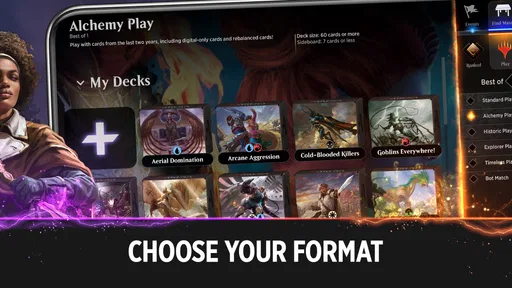
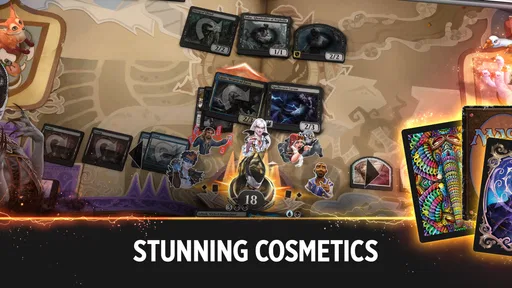
So, what’s the first thing you notice when you open up Magic: The Gathering Arena? The interface is clean, and it’s almost like the app is whispering to you, "Come play with me!” Seriously, for a mobile game, the graphics are stunning. It’s got all those vibrant animations that make you feel like you’re in the middle of an epic battle.
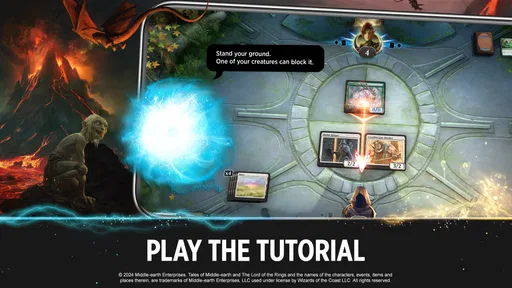
Getting started is pretty straightforward. The app walks you through a tutorial that’s super helpful, especially if you’re new to the game. It breaks down the basics, like how to summon creatures and cast spells. If you’re a newbie, this is gold. But, if you’re a veteran, you might find yourself skipping through some of it. Either way, it’s a nice touch to get everyone on the same page.
Learning the Rules Without Rushing
New players should give the tutorial their attention instead of tapping through just to reach a match. In a card game built around planning, understanding what your cards do is more useful than trying to memorize every possible interaction at once. I’d use early games to notice the rhythm of taking turns, playing cards and responding to an opponent, then pause after a confusing moment and work out what changed the board.
That approach also helps returning tabletop players. Knowing the physical game gives you a head start, but it does not mean every mobile interaction will feel instantly familiar. The digital presentation puts the board, animations and card text together on a phone screen, so taking time to read carefully can prevent avoidable mistakes. If you already know the rules well, the tutorial may be a brief refresher rather than the main attraction.
The Gameplay Experience
Now, let’s talk about the meat of the app: the gameplay. The matches are fast-paced, and you can easily lose a couple of hours battling it out with opponents from around the globe. It’s like chess but with dragons and wizards. You’ve got to think a few moves ahead, predicting what your opponent might do next.
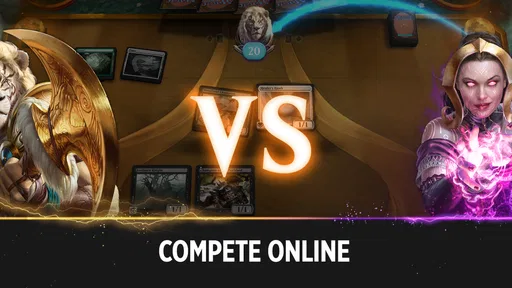
The app offers a variety of modes, from casual play to ranked matches. Personally, I love the thrill of ranked matches. Climbing the ladder is a rush, and it’s so satisfying when you see your rank go up after a hard-fought win. Of course, with great competition comes great frustration. Be prepared to face off against some seriously skilled players.
Fitting Matches Into an Ordinary Day
A practical way to use a game like this is to pick a stopping point before opening it. For example, if I have a short break between errands, I can choose to play a single match rather than start a long session without a plan. A close game can make “one more” tempting, though, so this is not a great choice when I need to leave immediately or be fully focused on something else.
Ranked play is best when I want a clear competitive goal and have the patience to handle a loss. Casual play is a better fit when I’m experimenting with an idea or learning how a deck behaves without treating every result as a verdict on my skill. Switching between those intentions matters: testing an unfamiliar strategy while expecting a quick climb can make a learning game feel unnecessarily frustrating.
Deck Building and Strategy
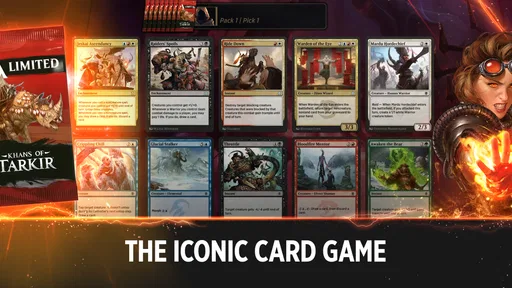
One of the coolest things about Magic: The Gathering is the deck building. You gather cards as you play, and building a deck that suits your style is half the fun. Whether you’re into aggressive plays or prefer a more defensive strategy, there’s a deck for you.
The app frequently updates with new cards and events, keeping the game fresh. I’ve found myself tweaking my deck after every few matches, trying to find that perfect balance. It’s addictive, and you’ll find yourself always thinking, “Just one more card…”
A More Deliberate Way to Tune a Deck
After a loss, I try to identify one specific reason the match turned against me before changing several cards at once. Was my plan too slow, did I struggle to respond to the opponent, or did I simply make a poor decision? Making one deliberate adjustment gives me a better chance of learning what the change actually does. Reworking a whole deck after every defeat can leave me with less understanding, not more.
This matters especially for anyone who enjoys the building side as much as the matches. A collection offers possibilities, but it can also make every missing card feel urgent. I’d start with a clear play style and improve the deck around that, rather than chasing a card just because it looks powerful. If the fun for you is mainly collecting physical cards or trading face to face, a digital game may not replace that part of the hobby.
In-App Purchases and Rewards
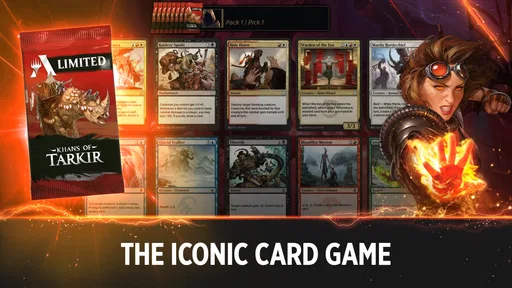
Let’s clear the air: Magic: The Gathering Arena does have in-app purchases. You can buy packs to get new cards or unlock cosmetics for your account. While you can totally enjoy the game without spending a dime, the temptation to buy packs is real, especially when you’re eyeing that one card that could complete your deck.
That said, the app is pretty generous with its rewards. Completing daily quests and participating in events can earn you cards and other goodies, so there’s always something to aim for. It’s a nice balance that keeps both free-to-play and paying players happy.
Choosing Whether to Pay
Free access is the clearest value here: you can find out whether you like the rules, the phone interface and the competitive loop before deciding to spend. Purchases may appeal to someone who already knows they want to build a collection faster or personalize an account, but they are optional, and paying is not a substitute for understanding how to build and play a deck.
I would be cautious about treating a pack purchase as a guaranteed solution to a deck problem. The useful question is not simply whether a purchase is available, but whether it fits a budget you are comfortable with and supports the way you actually play. If you prefer a predictable one-time purchase, or dislike games where optional spending sits alongside ongoing play, this model may not be your ideal fit.
The Community and Social Aspect
What’s a game without a community? Magic: The Gathering Arena has a lively fan base, and there are plenty of forums and social media groups where you can share strategies and deck ideas. It’s a great way to connect with other players and learn new tactics.
However, interacting directly within the app is limited. You can’t chat with opponents during matches, which can be a bummer if you like a bit of banter. Still, considering the strategic nature of the game, it might be for the best to keep things focused.
How It Compares With Other Card Games
Compared with simpler mobile card games, Arena asks more of you: reading card effects, planning around an opponent and learning how different deck choices shape a match are central to its appeal. That depth is a strength if I want decisions to matter, but it can be a barrier if I’m looking for something I can understand immediately and play without much thought.
It also offers a different kind of convenience from tabletop Magic. Playing on a phone avoids needing cards and another player in the same place, which suits a spare moment at home or while travelling. On the other hand, it cannot reproduce the physical feel of handling a deck or the social experience of sitting across from a friend. If those are the parts you value most, a tabletop session is the better alternative; if you want accessible digital matches and deck experimentation, Arena makes more sense.
Who Is Likely to Get the Most From It?
I’d recommend trying it if you enjoy strategy, like improving a deck over time, or want a way to play Magic without setting up a physical game. It can also work well for an experienced player who wants to practise decisions in short bursts, provided they’re comfortable learning and playing through a phone interface. The free start makes it easier to test that fit without committing money first.
I’d skip it if you mainly want a relaxed, low-effort game, dislike competitive losses, or find card text and tactical choices tiring on a small screen. It is also a poor match if you want direct conversation with opponents during play, or if optional purchases would make it hard to stick to a spending boundary. Knowing those limits before installing can save a newcomer from mistaking a mismatch in taste for a problem they need to solve by buying more.
Final Thoughts
Overall, Magic: The Gathering Arena is a stellar app for both die-hard fans and newcomers. It brings the beloved card game to the digital age with style and finesse. Sure, it has its quirks, like any game, but the pros far outweigh the cons.
If you’re looking for a game that challenges your strategic mind and offers endless hours of entertainment, give this one a go. Just be ready to lose track of time and maybe even a few battles. But hey, it’s all part of the magic, right?
Privacy and Permissions
See what permissions an app requests and how it handles your data.
- Wi-Fi connection information
- view Wi-Fi connections
- Other
- view network connections, pair with Bluetooth devices, full network access, prevent device from sleeping
Verdict
Strengths of Magic: The Gathering Arena
- Engaging and strategic gameplay.
- Regular updates with new content.
- High-quality graphics and interface.
- Cross-platform play available.
- Comprehensive tutorial for beginners.
Limitations of Magic: The Gathering Arena
- Requires a stable internet connection.
- Can be complex for new players.
- In-app purchases can be pricey.
- Occasional matchmaking delays.
- Large file size for mobile devices.
Other Releases by Wizards of the Coast LLC
View All
D&D Beyond
Entertainment4.6

Magic: The Gathering Companion
Events4.7
Similar Picks in This Category
View All
Solitaire - Classic Card Games
MobilityWare4.6

UNO!™
Mattel163 Limited4.3

Spider Solitaire: Card Games
MobilityWare4.6

Solitaire.com - Classic Cards
Tripledot Studios Limited4.7

Plants vs. Zombies™ Heroes
ELECTRONIC ARTS4.1

Hearthstone
Blizzard Entertainment, Inc.4.1
Frequently Asked Questions
What is Magic: The Gathering Arena?
Magic: The Gathering Arena is a digital adaptation of the popular trading card game, Magic: The Gathering. It allows players to collect cards, build decks, and compete against others online. The game is designed to capture the essence of the physical card game, featuring dynamic gameplay and regular updates to keep the experience fresh.
Is Magic: The Gathering Arena free to play?
Yes, Magic: The Gathering Arena is free to download and play. However, it does offer in-app purchases for card packs, cosmetics, and other items. Players can also earn rewards through gameplay, allowing them to expand their collection without spending money. This model provides flexibility for both casual and competitive players.
What platforms is Magic: The Gathering Arena available on?
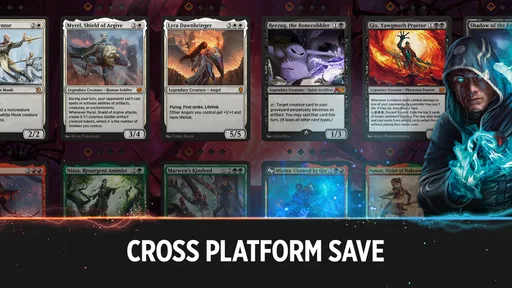
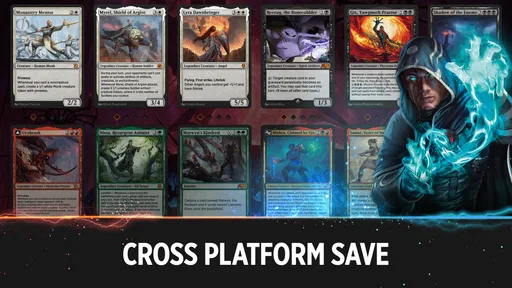
Magic: The Gathering Arena is available on Windows, macOS, and mobile devices running iOS and Android. This wide availability ensures that players can enjoy the game on their preferred platform, whether they're at home or on the go. It also supports cross-platform play, allowing players to compete against each other across different devices.
How does the matchmaking system work in Magic: The Gathering Arena?
The matchmaking system in Magic: The Gathering Arena is designed to pair players with opponents of similar skill levels. It uses a ranking system based on player performance in matches to ensure fair and competitive gameplay. This approach helps maintain balanced games and enhances the overall player experience.
Are there regular updates and events in Magic: The Gathering Arena?
Yes, Magic: The Gathering Arena receives regular updates that include new card sets, balance changes, and bug fixes. The game also hosts frequent events and special challenges that offer unique rewards and gameplay experiences. This ongoing support keeps the game engaging and ensures a vibrant community.
Play our best games!


